Spring: spot and seal
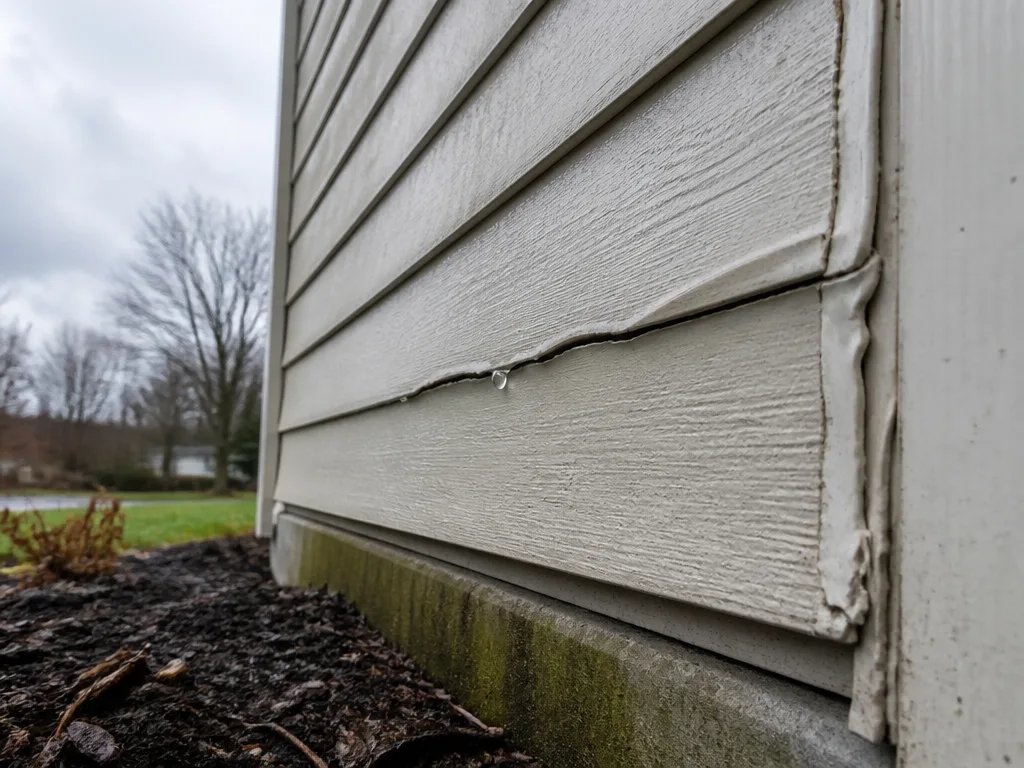
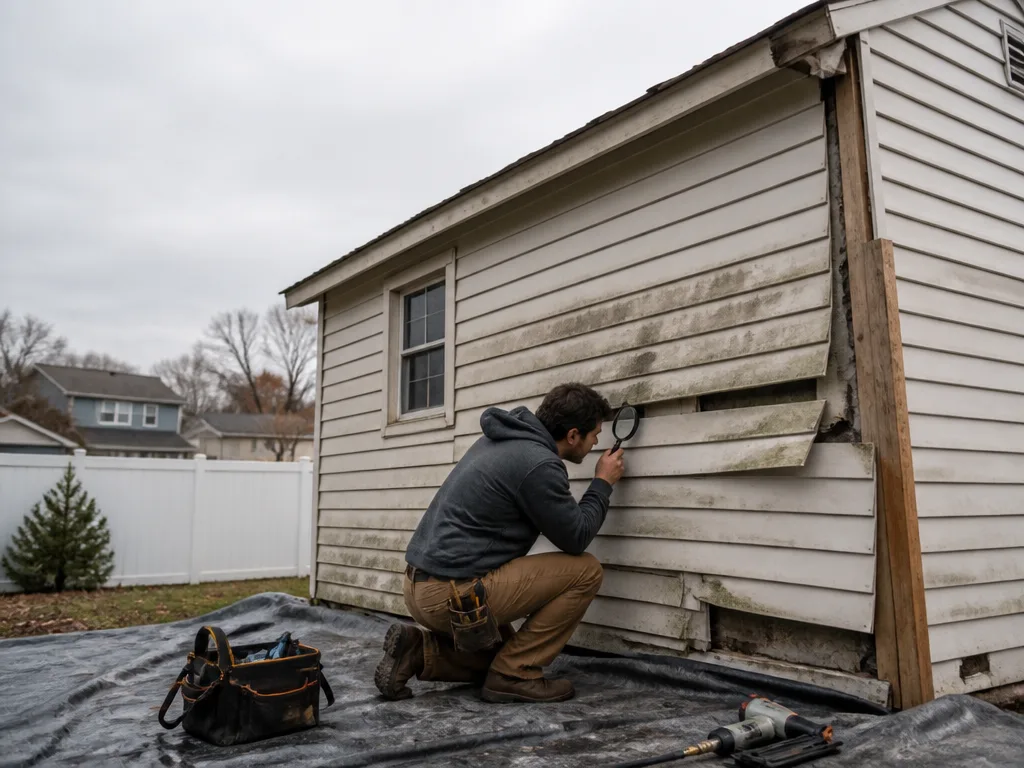
Spring brings rain and rising humidity across New York. Inspect siding after heavy storms for loose panels or damaged flashing. Reseal any gaps with a quality exterior sealant that matches your siding material. Clean surfaces to remove dirt buildup that can hide problems and trap moisture.
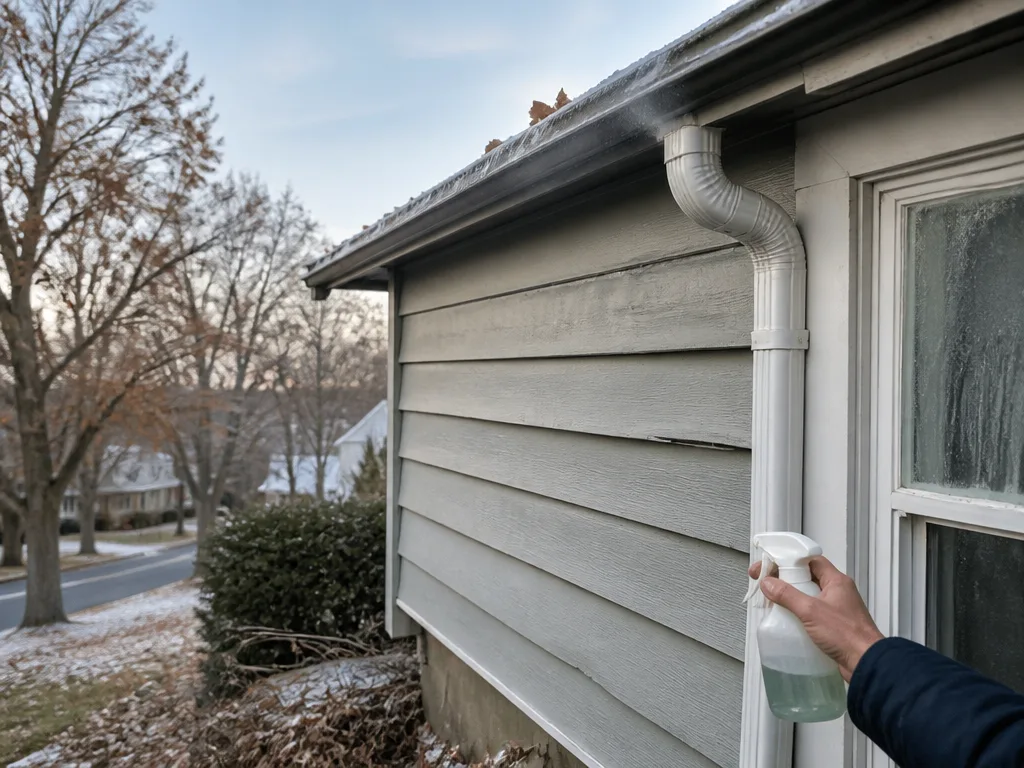
Check gutters and downspouts to ensure they direct water away from the siding. Clogged or sagging gutters dump water onto the siding and can lead to staining or rot over time. Our team can advise on gutter alignment and simple preventive fixes that keep moisture from seeping behind panels.
Summer: airflow and material care
Heat and sun can cause some materials to expand and contract. Keep an eye on loose trim or panels and address gaps before they widen. If you have fiber cement or engineered wood, confirm any maintenance schedule recommended by the manufacturer and follow it. Regular cleaning helps prevent buildup that accelerates wear across New York summers.
Ventilation around the edges matters. Poor ventilation can trap moisture behind siding, especially near soffits. If you notice peeling paint or damp spots inside, it could be a sign of trapped moisture that a siding specialist should evaluate.
Fall and winter prep
As temperatures drop, the risk of ice damming increases in New York. Ensure flashing and joints are in good shape and free of cracks. Inspect for any areas where wind-driven rain could have forced water behind the panels. If you see warping, cracking, or loose edges, plan a professional assessment before the worst weather hits.
Protecting your siding in winter means maintaining a consistent cleaning schedule and keeping nearby vegetation trimmed away from the siding to prevent damage from branches and pests. A quick seasonal check by a siding specialist helps catch issues early and reduces the chance of surprise repairs down the line.
Easy, ongoing care
Across New York, a simple routine makes a big difference. Clean your siding with a gentle soap and water solution, rinse from top to bottom, and avoid high-pressure washers that can damage seams. If you’re unsure about your siding type, ask a siding specialist for the right cleaning method. It’s a straightforward step that protects your investment year after year.