Spotting trouble early
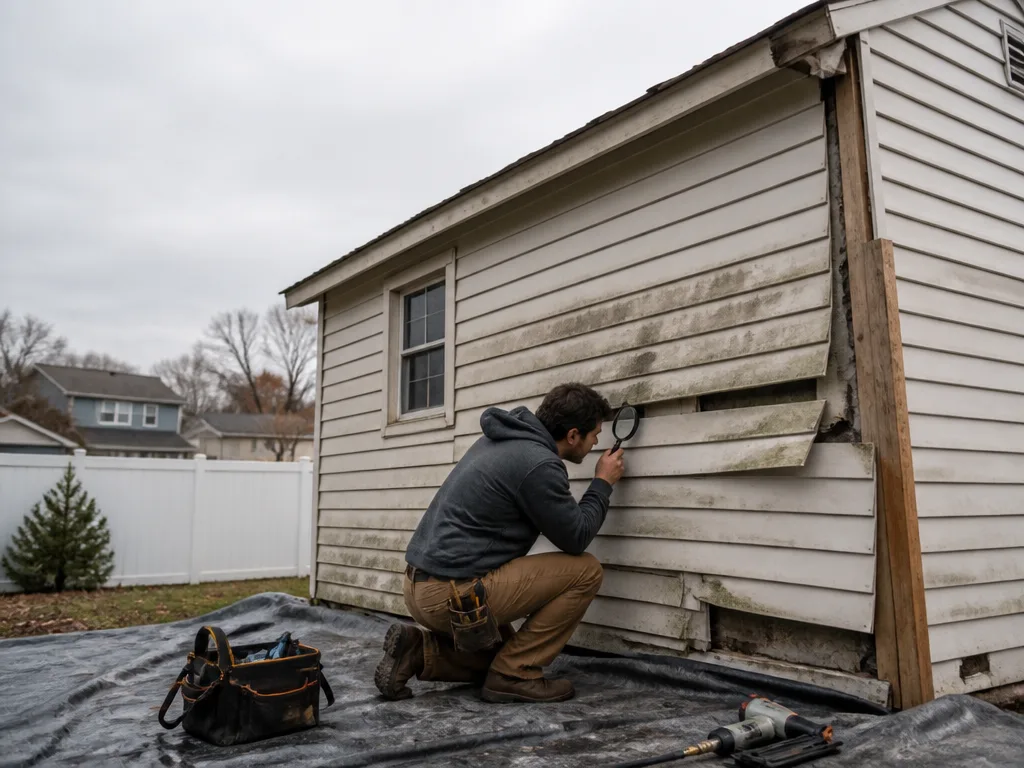
Across New York homeowners often miss the first cues of siding trouble. A visible crack, a loose panel, or a small gap can quickly become a bigger issue if not addressed. Our team of siding specialists from New York Metal Siding sees these tells day after day. Detecting them early saves money and prevents further damage to your home’s structure.
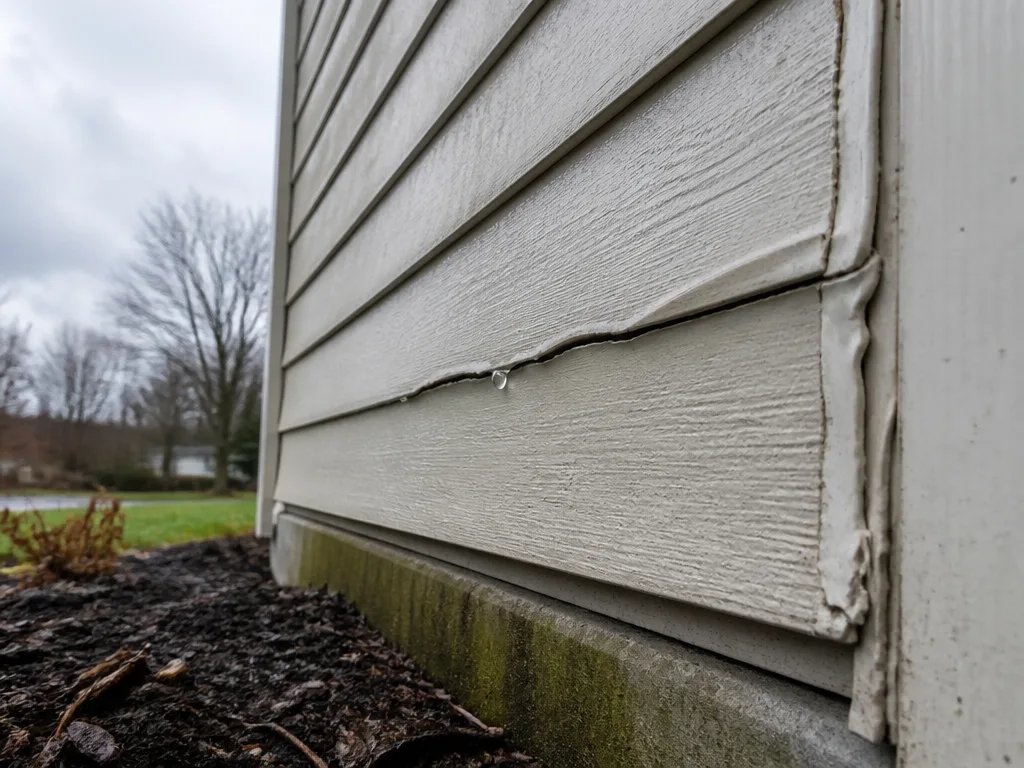
Another common sign is uneven fading or chalky powder along seams. Harsh weather across New York accelerates wear on certain materials, leaving you with inconsistent color or texture. If you notice panels that don’t lay flat or you can see daylight behind the siding, that signals a problem that needs attention.
Water intrusion and framing risk
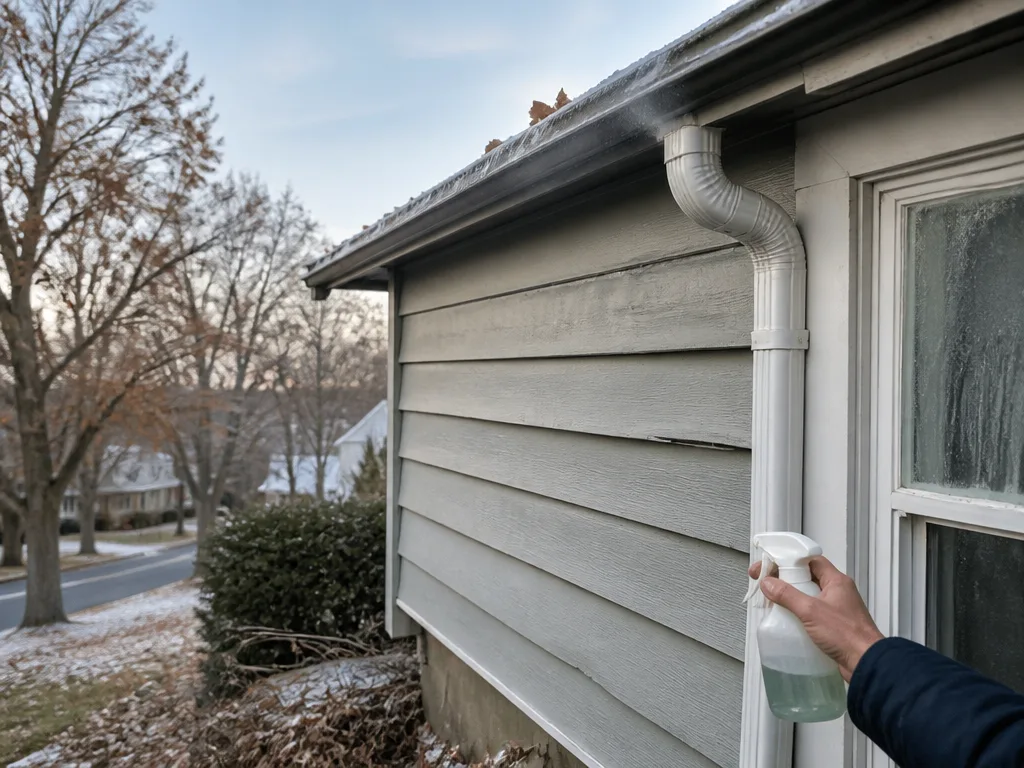
Water is the real enemy behind many siding failures in New York. When you spot stains on the interior walls, peeling paint, or musty smells near the exterior, it can indicate moisture sneaking in. Over time, this compromises insulation and framing. A siding specialist from New York Metal Siding will check flashing, joints, and transitions to isolate the source and prevent damage from spreading across the state.
Don’t overlook fasteners. If you hear a boards squeaking or see loose edges after a windy day, that’s often a sign the siding is pulling away at the nails or screws. Loose fasteners can let water behind the panels and invite rot, especially in areas with freeze-thaw cycles across New York.
What to do if you spot a sign
Take photos from a few angles and note where you see the issue. Avoid leaning on the panels or attempting to force any part back into place. Contact a siding specialist at New York Metal Siding for an expert assessment. We’ll explain the scope, the materials we’d use, and the expected timeline so you can plan accordingly as a homeowner across New York.
- Document the area and any water stains you notice
- Note weather changes that coincided with the issue
- Schedule a professional inspection if you’re unsure
The goal is a clear picture of what’s happening and a practical path forward that fits New York’s climate and your home’s design.